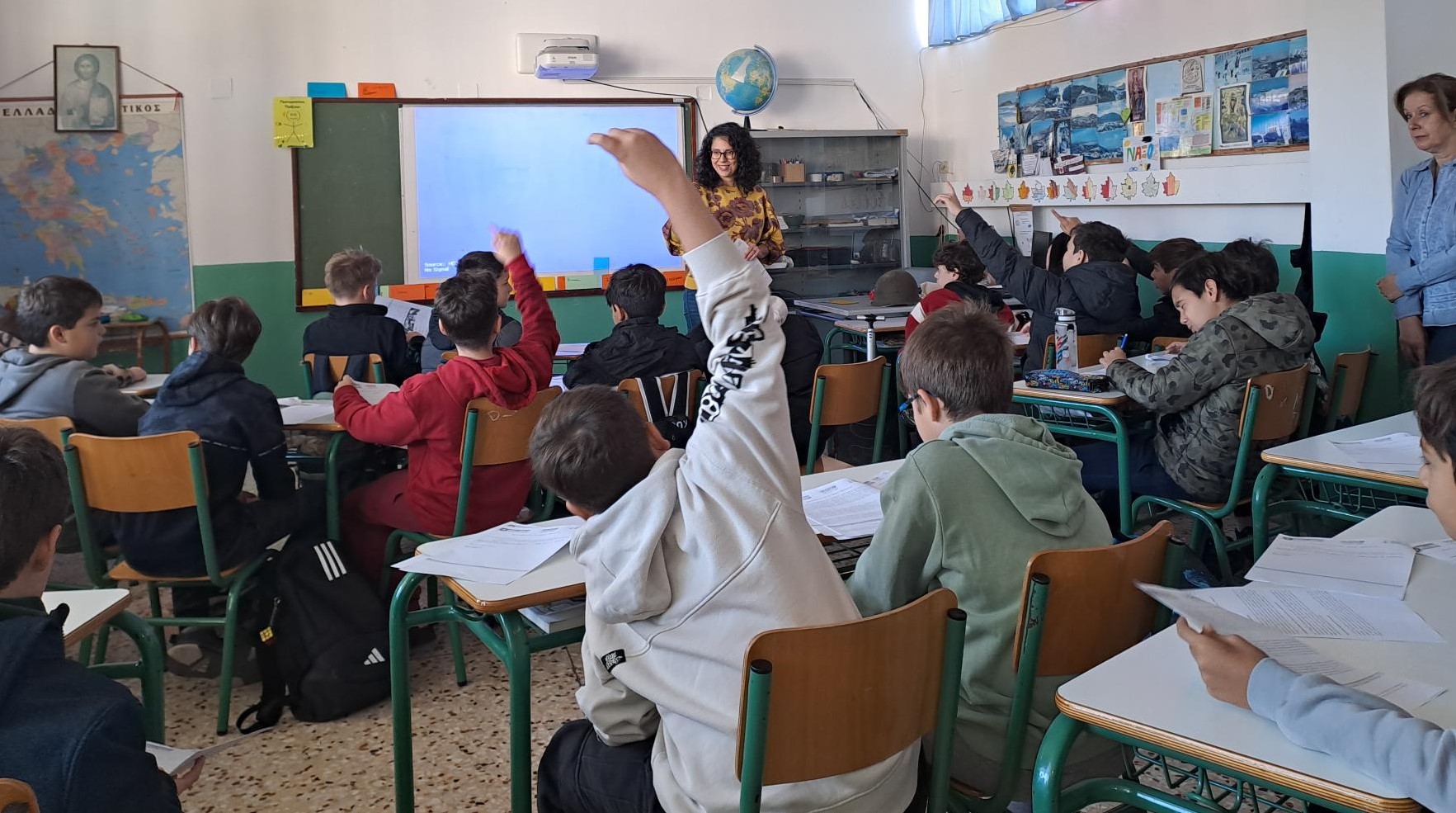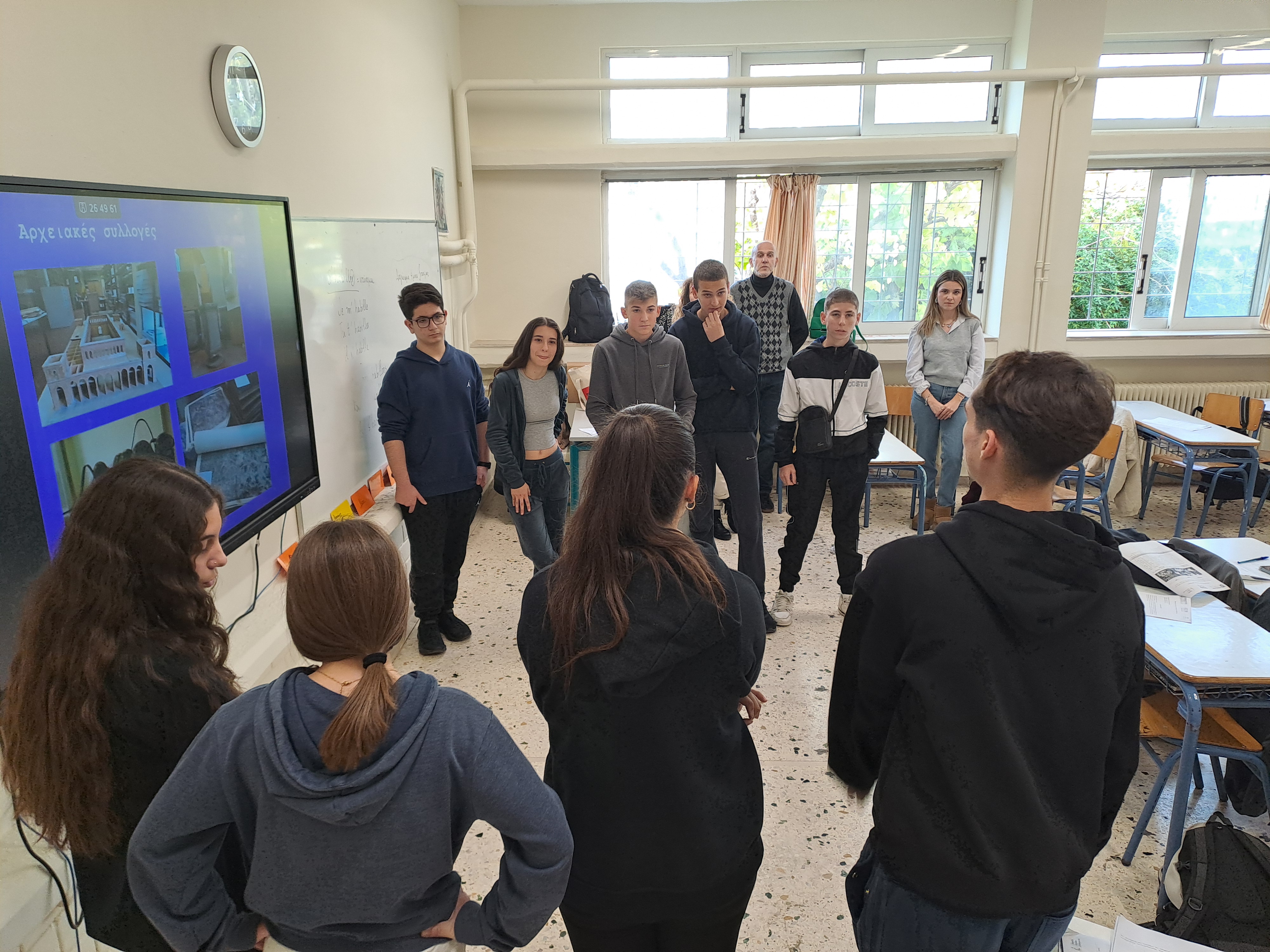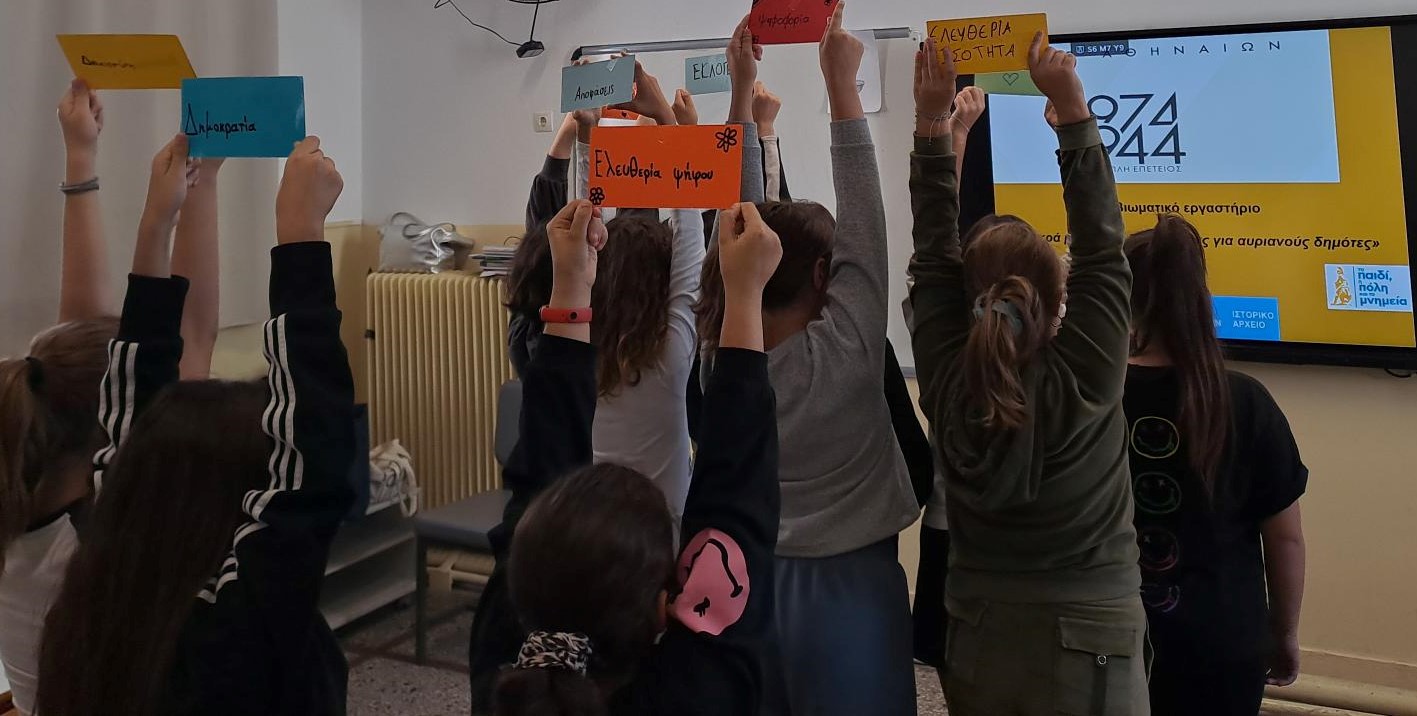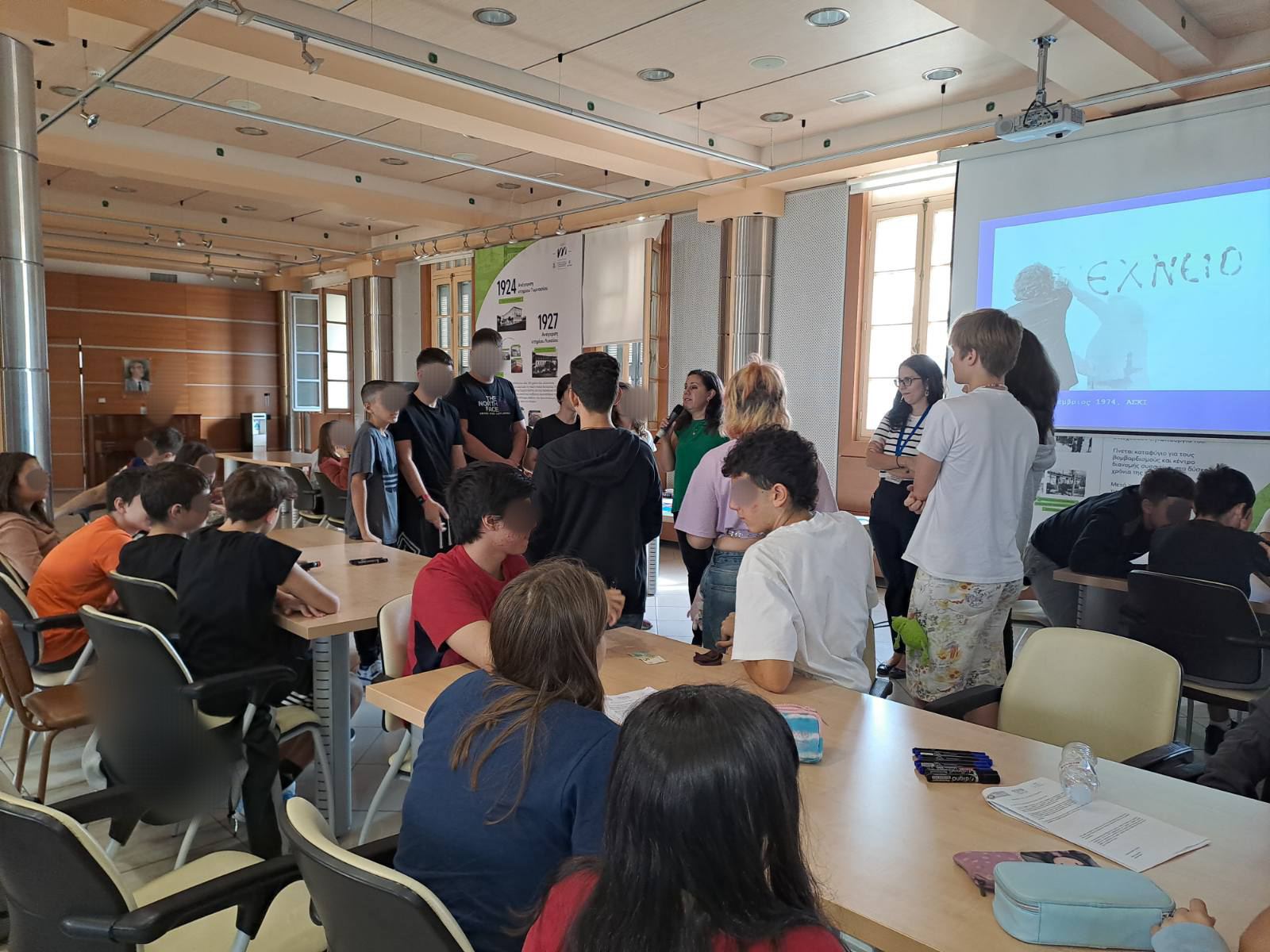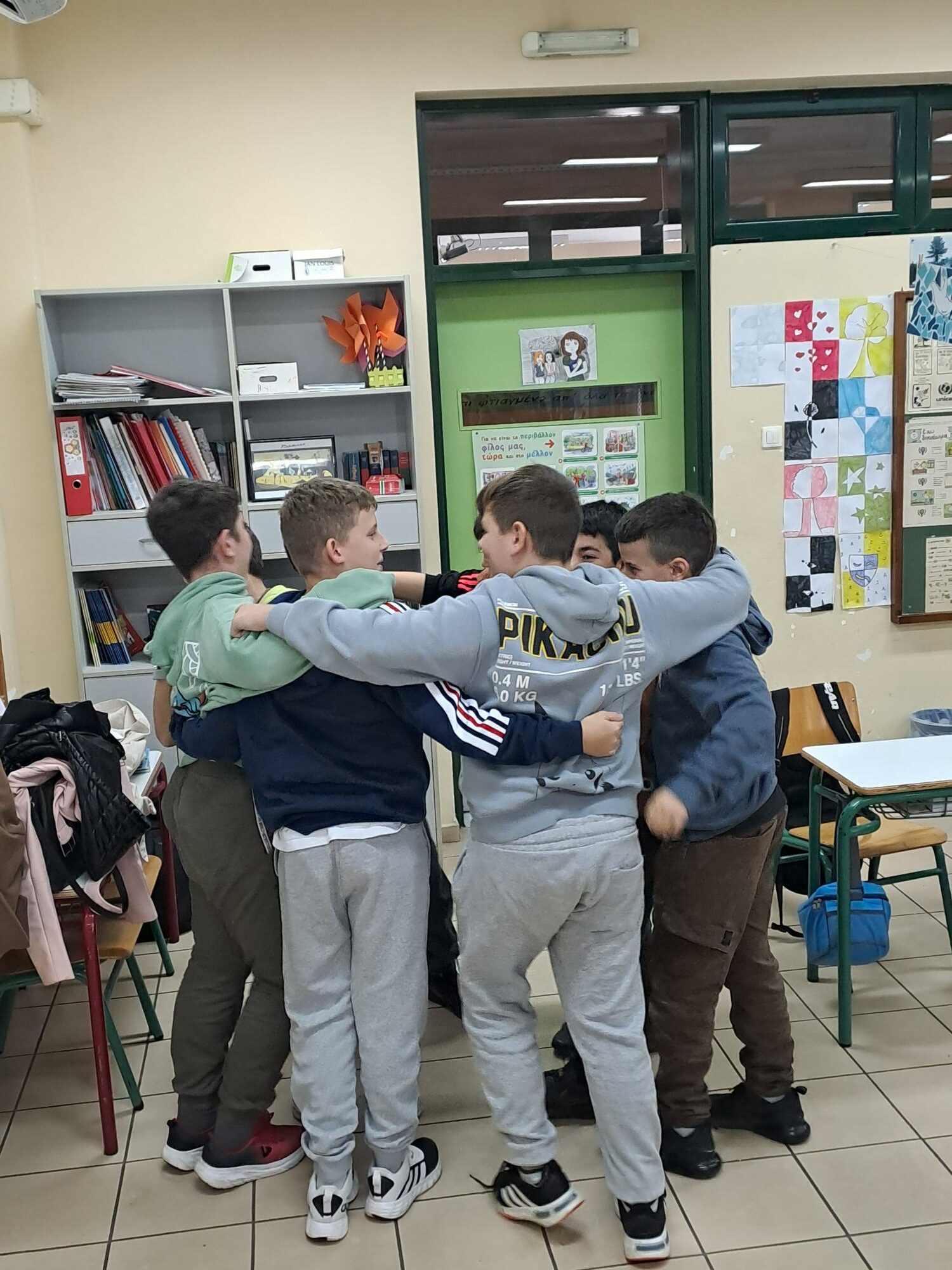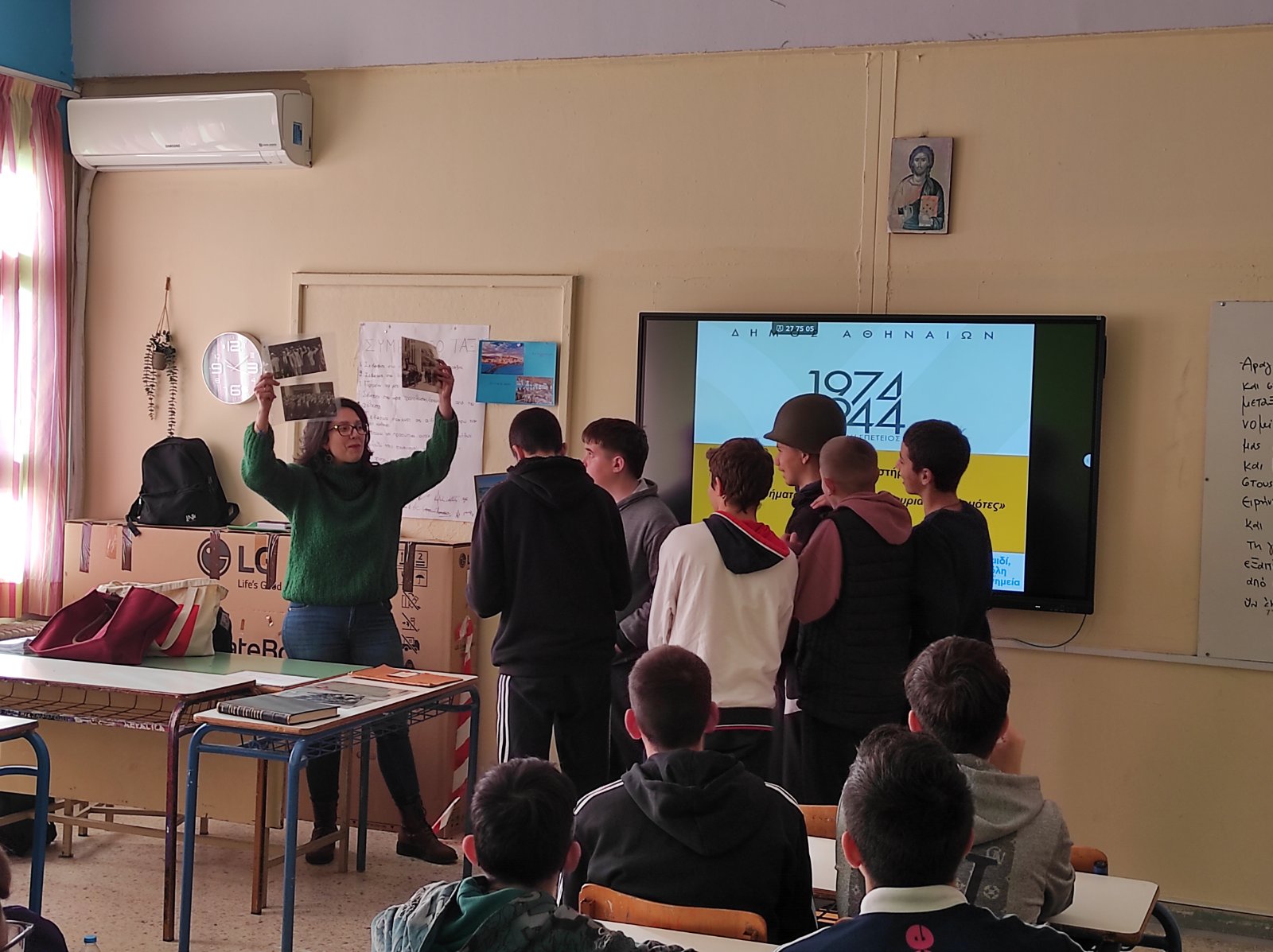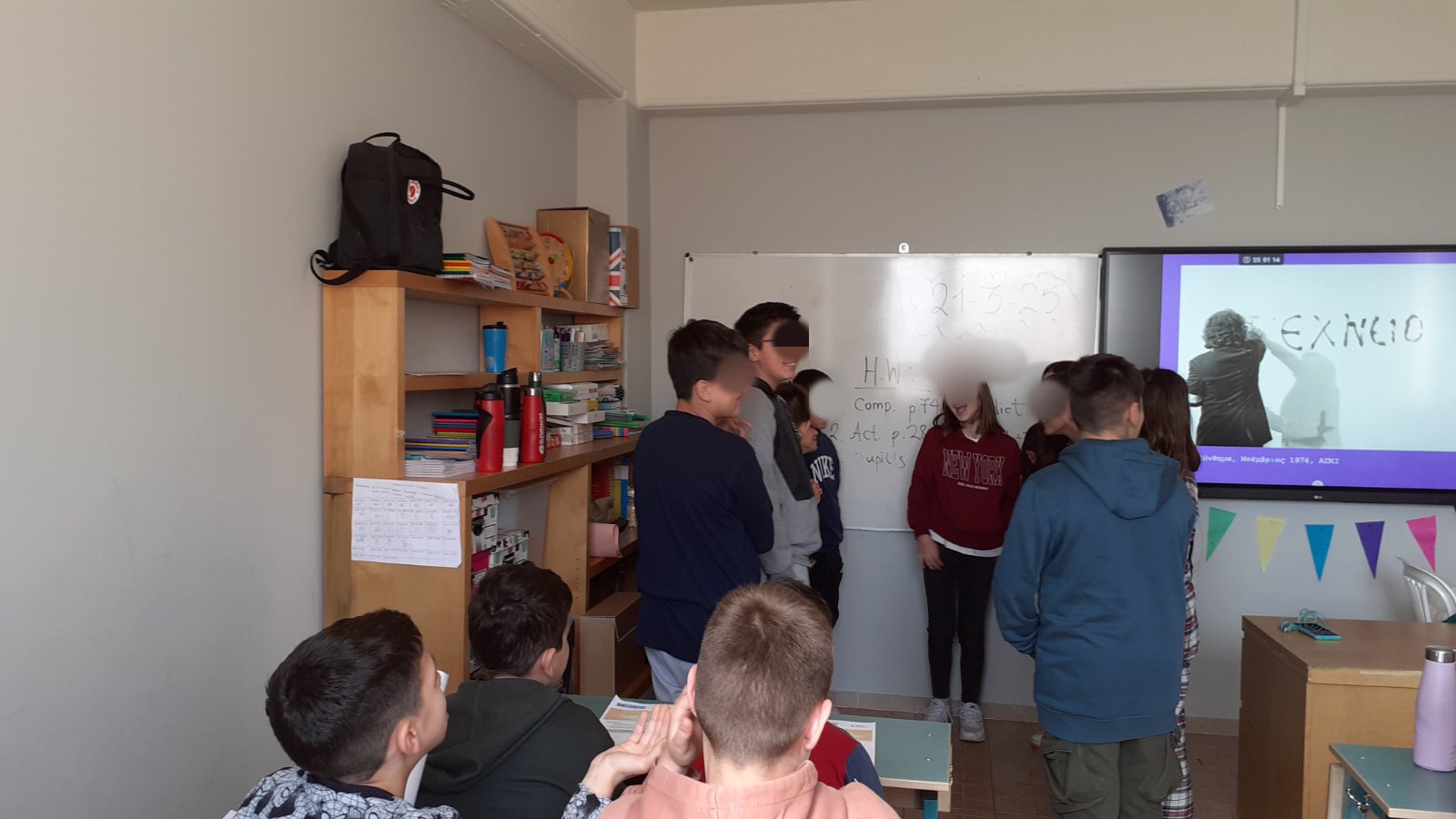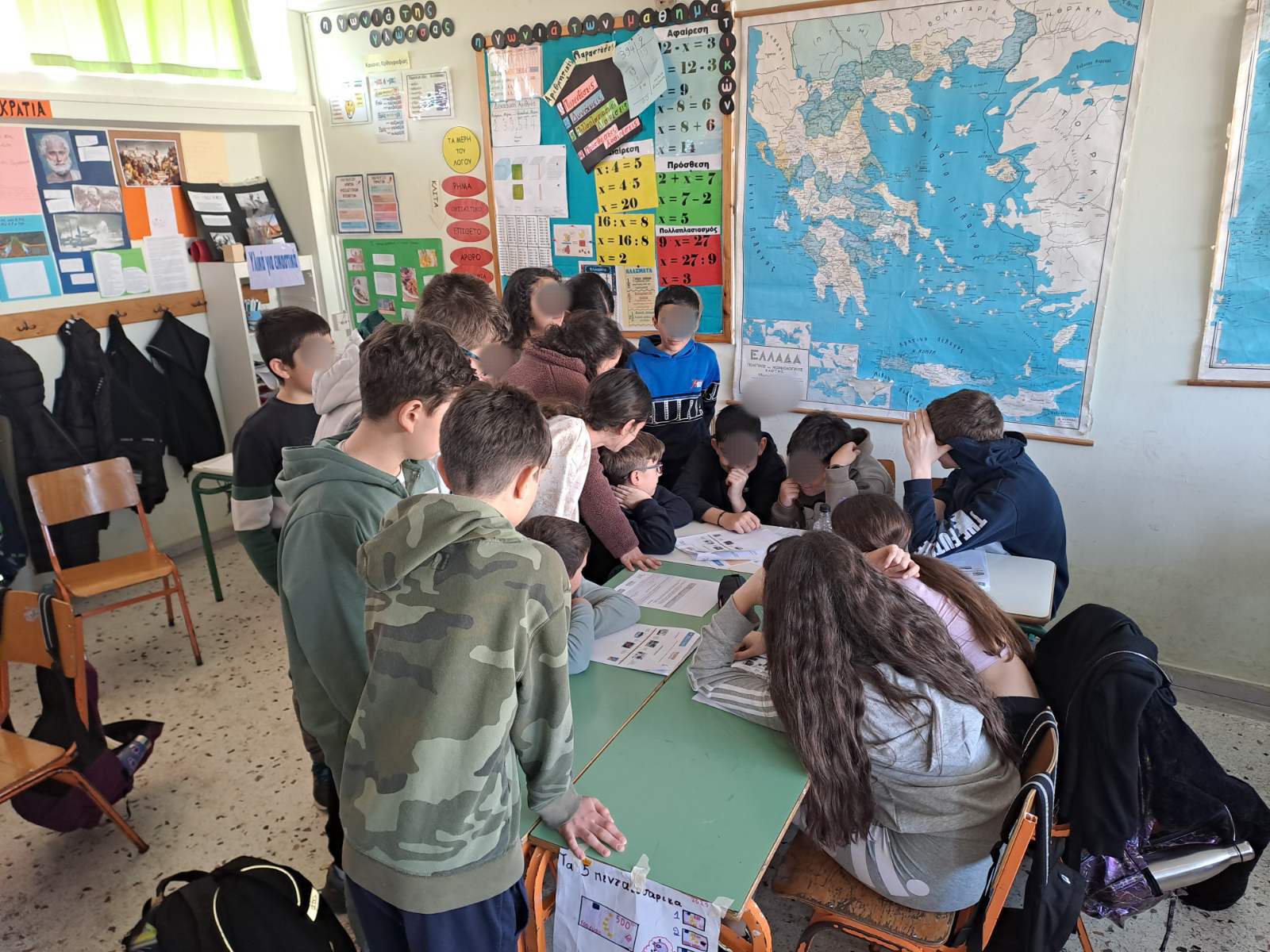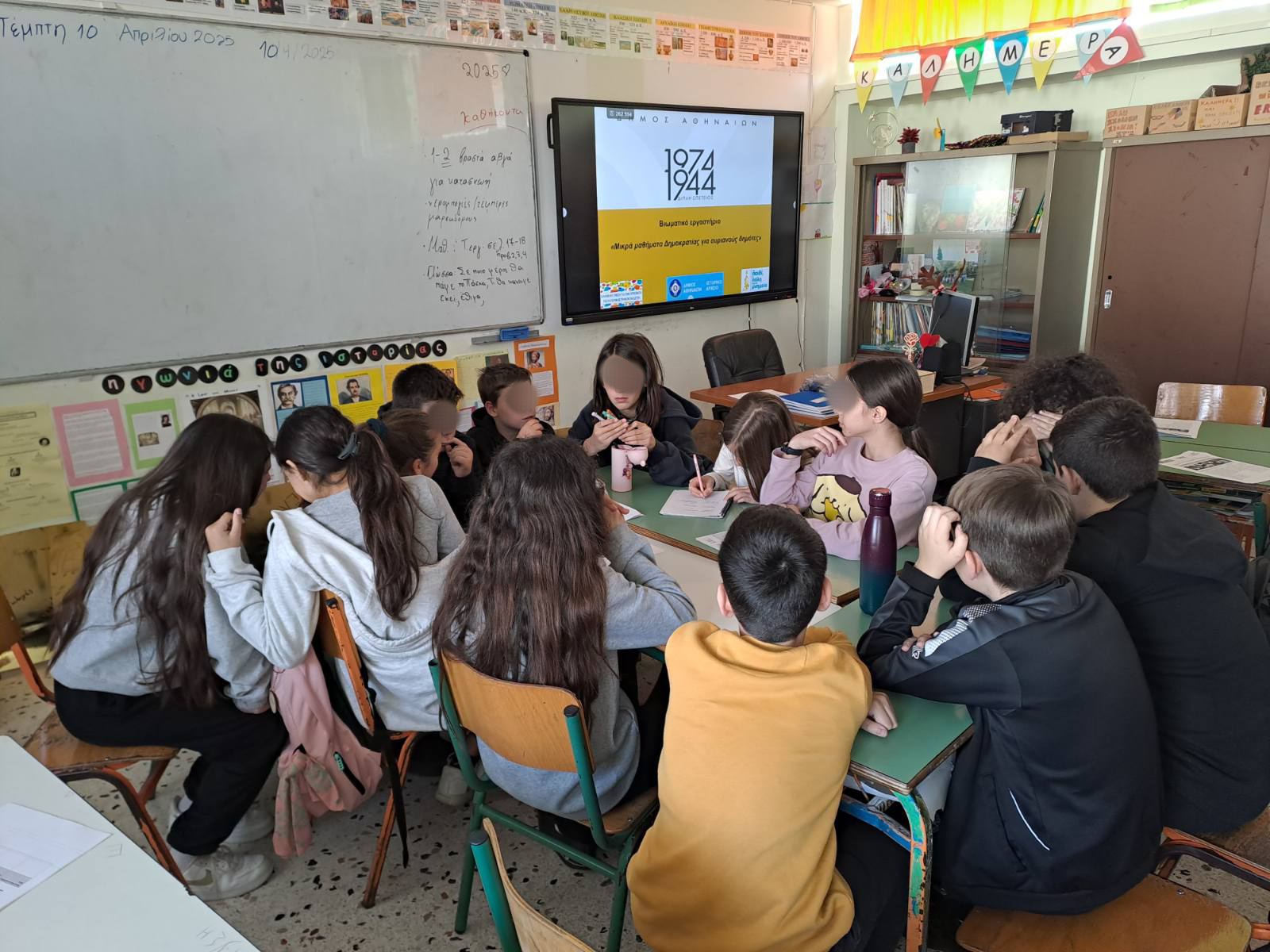
For the third consecutive year, during the 2026-2027 school year, the implementation of the “Cleisthenes” award-winning experiential educational workshop, “Short Lessons in Democracy for Tomorrow’s Citizens,” is scheduled. The workshop initiative, co-organized by the Department of the Municipal and Historical Archive of the City of Athens and the Hellenic Association for the Promotion of Rhetoric in Education, has been embraced with enthusiasm by the educational community during the 2024-2025 and 2025-2026 school years. This has established it as a constant point of reference for school life and a continuous reminder of the value of Democracy to students. In this context, the team of facilitators has visited more than 40 primary and junior high schools in Athens, offering 1,100 students in the 6th grade of Primary School and the 3rd grade of Junior High School a substantial experiential learning opportunity.
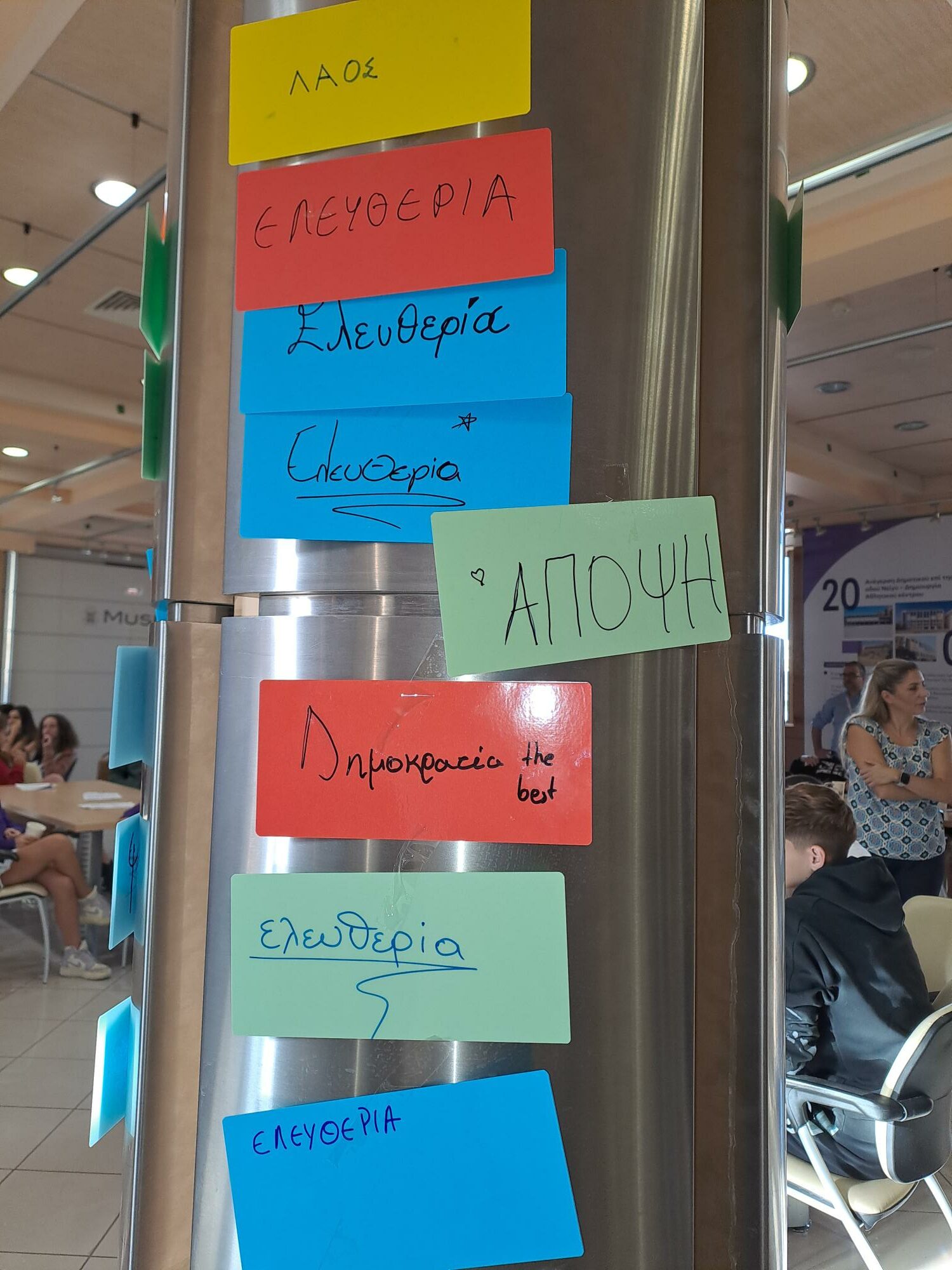
It should be noted that the program was launched in 2024 in collaboration with the City of Athens’ program “The Child, the City and the Monuments,” integrated into the official celebrations for the 80th anniversary of the liberation of Athens and the 50th anniversary of the restoration of Democracy. Among other activities, junior high school students were hosted at the Athens City Hall, where they participated in a simulated Municipal Council session, formulating proposals and innovative solutions for key issues facing the city. The culmination of the activities was the event at Technopolis, featuring the participation of the laureates of the Public Speaking Competition on the theme of democratic ethos.
“Short Lessons in Democracy for Tomorrow’s Citizens”: Objectives and Methodology
The central axis of the workshop is experiential learning, aiming for students to understand that Democracy is not an abstract concept, but an evolving reality that demands active participation. Highlighting the catalytic role of local government as the guarantor of democratic institutions further strengthens the youth’s connection to the place where they are growing up. The activities are designed to cultivate a democratic conscience through dialogue and collective decision-making.
Main Activities: A Brief Overview
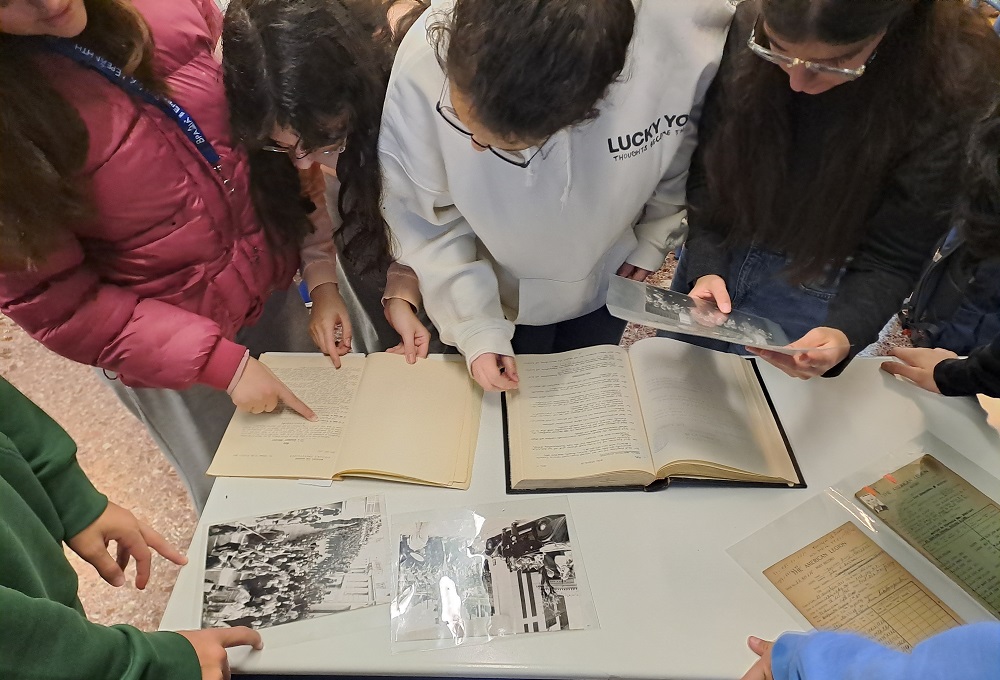
Students transform into historical researchers, utilizing a wealth of educational material:
- Archival Material: They examine primary and secondary sources from the Municipal and Historical Archive, such as Municipal Council decisions from the early years of the Metapolitefsi (the post-1974 period of democratic restoration), photographs, and audiovisual material of the era.
- Municipal Council Simulation: Students assume the role of municipal councilors in order to familiarize themselves with staying informed about their surroundings, developing and countering arguments, and cultivating basic communication skills, teamwork capabilities, and creative thinking.
- Creative Activities: The program includes a variety of artistic, theatrical, rhetorical, and oral/written creative actions.
Skills, Values, and Attitude Towards Life
Through these activities, the program is expected to serve significant objectives:
- Critical Thinking: Students become familiar with the ability to analyze arguments, substantiate their opinions, interpret primary sources, and critically approach the mass media and social networks.
- Historical Consciousness: They learn about the context of the Metapolitefsi and realize the importance of defending democratic values, such as freedom of expression, respect for diversity, and human rights.
- Active Future Citizen: The workshop highlights the necessity of active participation in civic life, connecting historical research with the contemporary challenges of Democracy. Emphasis is also placed on Education for the Sustainable Development Goals through the utilization of the United Nations Global Schools Program (UN-SDSN).
Program Design – Coordination:
Vasiliki Sfika, Historian-Archaeologist (NKUA), MSc in Cultural Management Units, Head of the Municipal and Historical Archive Department – Directorate of Decentralization and Administration, and Valia Loutrianaki, Philologist (Arsakeio of Psychiko), Instructor at the Postgraduate Program (MSc) in Rhetoric (National and Kapodistrian University of Athens – NKUA), President of the Hellenic Association for the Promotion of Rhetoric in Education.